The specialist accountants for UK dental professionals WhatsApp us hello@accountantsfordentists.co.uk
Accountants for Dentists
Home / Dental associates

Accounting for dental associates

Your tax return is the easy bit. The value is in the superannuation check, the expense claims, the incorporation maths and knowing what to put aside — before January surprises you.

The associate package

Everything handled, one fixed monthly fee

  • Self assessment tax return — prepared early so you know your January and July payments months in advance
  • Accounts for your associate income — clean records of fees, lab deductions and expenses
  • Superannuation reconciliation — your NHS pension deductions checked against actual pensionable earnings
  • Expense optimisation — dental-specific claims reviewed each year, not copied from last year
  • Tax bill forecasting — a simple monthly set-aside figure so the bill is never a shock
  • Unlimited advice — email or WhatsApp us all year; it's included, not billed
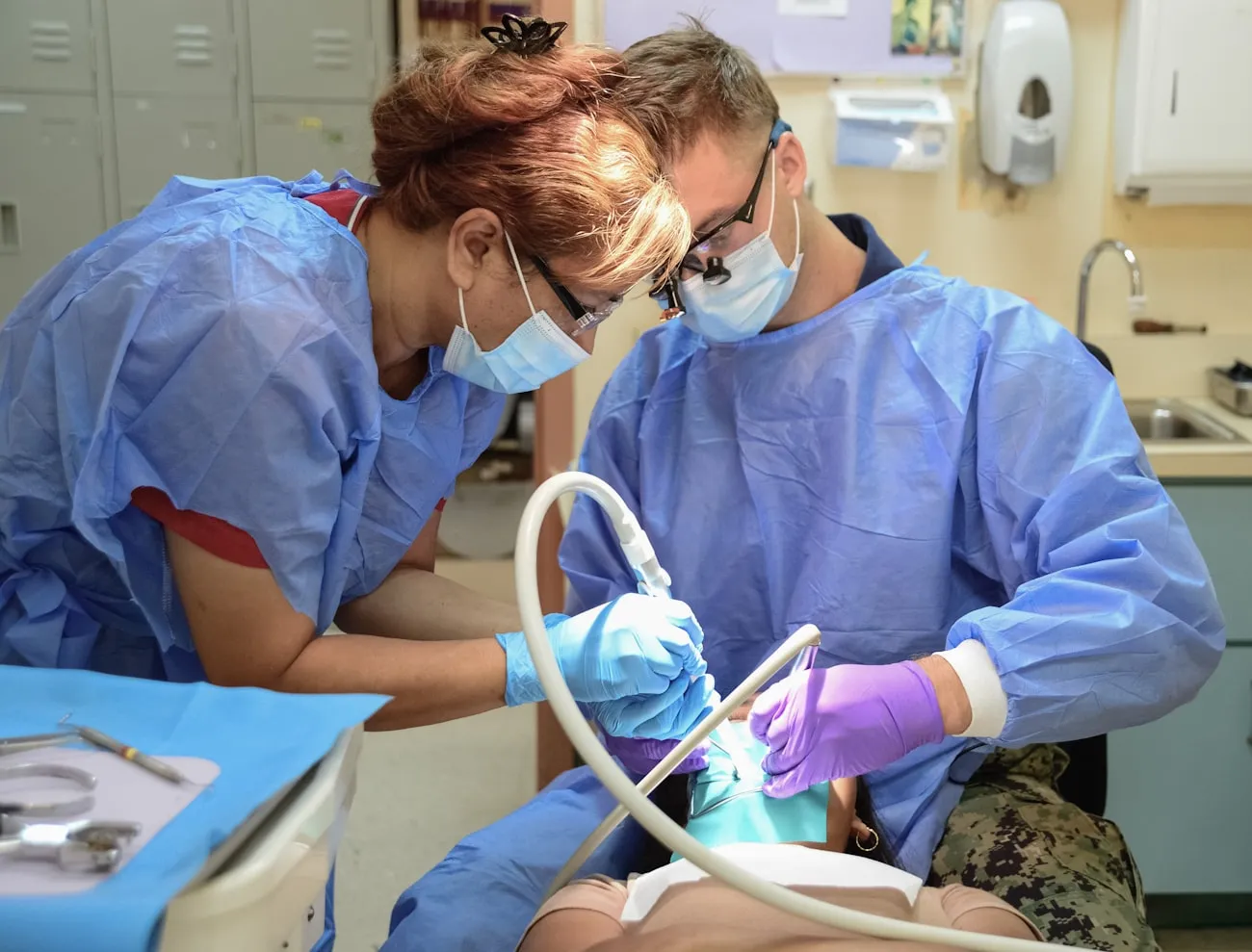
Dentists working together on a patient
The number that matters

What actually lands in your account

Associates are paid gross and taxed later, which makes the schedule figure a poor guide to what you can spend. Here is the whole chain, worked through with 2026/27 rates, for an associate on a typical mixed list. The figures are illustrative — your lab share, expenses and pensionable earnings will differ — but the shape of it does not change.

Illustrative associate, 2026/27. Schedule fees of £112,000 — £68,000 NHS and £44,000 private. The practice deducts a 50% share of lab and materials, £6,200, so £105,800 reaches you. Business expenses run to £8,100: the £698 GDC annual retention fee, indemnity, courses and CPD, subscriptions, loupes and instruments, accountancy, and mileage between two sites. Taxable trading profit is therefore £97,700. Net pensionable earnings of £41,000 put you in the 9.8% tier, so the practice deducts £4,018 of superannuation at source.

Now the tax. The personal allowance is £12,570 and the basic rate band £37,700; the superannuation contribution is relieved through the personal pages of your return, which extends that band. Income tax on £97,700 comes to £25,708. Class 4 National Insurance is 6% on profits between £12,570 and £50,270 — £2,262 — plus 2% on the £47,430 above that, £949, so £3,211. Total tax and National Insurance: £28,919.

Three things fall out of that, and each one is worth acting on.

Net of expenses, superannuation and tax, roughly £64,800 of the original £105,800 is genuinely yours. You can check your own position with the associate take-home calculator, and the expenses guide covers what is claimable in more detail.
Superannuation

The deduction almost nobody checks

The practice deducts your NHS superannuation before it pays you, usually from an estimate of your pensionable earnings set at the start of the year. Estimates drift. Lists change, days change, private mix changes — and the deduction carries on regardless until someone reconciles it against the SD86C certificate produced after the year-end reconciliation.

These are the member contribution rates that apply from 1 April 2026:

Pensionable pay up to £13,2595.2%
£13,260 to £28,8546.5%
£28,855 to £35,1558.3%
£35,156 to £52,7789.8%
£52,779 to £67,66810.7%
£67,669 and above12.5%

Two features of that table cost associates real money. First, the rate applies to all of your pensionable pay, not just the part above each threshold — so on the figures above, pensionable earnings of £52,700 attract 9.8% (£5,165) while £53,000 attracts 10.7% (£5,671). Three hundred pounds more of pensionable pay costs £506 more in contributions.

Second, if you work part time your earnings are annualised to set the tier. Three days a week does not put you in a low band; it puts you in the band your earnings would reach at full time. Associates who assume otherwise budget for the wrong deduction all year. Our NHS pension service reconciles the lot, and the full pension guide covers annualisation, the annual allowance and McCloud in depth.

Sole trader or limited company?

The incorporation question, answered honestly

Every associate hears it eventually: "you should be in a limited company." Sometimes that's right. Often it isn't — and the reason is the NHS pension.

NHS associate earnings paid through a company generally can't be superannuated, so incorporating NHS income usually means giving up NHS pension growth. That pension is one of the most valuable benefits in UK dentistry: for many associates the growth given up is worth more than the corporation-tax saving gained.

The tax side has also moved against the simple version of the argument. Corporation tax is 19% on profits up to £50,000 and 25% above £250,000, with marginal relief in between — and on 6 April 2026 dividend rates rose again, to 10.75% at basic rate and 35.75% at higher rate, with the dividend allowance still £500. A company that once looked obviously cheaper on a salary-and-dividends extraction now often looks marginal once you have paid the second layer of tax to get the money out.

Our rule: we model both routes with your actual figures — income mix, pension growth, dividend plans, spouse's tax position — and show you the comparison in pounds. If a company doesn't clearly win, we'll tell you to stay as you are. Advice, not fashion.

Where incorporation does stack up — heavily private income, high earnings already tapering your pension allowance, income-splitting opportunities — we handle the whole move: company formation, contracts, payroll, dividend planning and your ongoing filings. Our breakdown of the limited company maths shows the workings, and is a company still worth it in 2026? revisits the question at the current rates.

Making Tax Digital

One annual return became five submissions

This is the change most associates have underestimated. From 6 April 2026, sole traders and landlords whose qualifying income exceeded £50,000 in the 2024/25 tax year must keep digital records and send HMRC a quarterly update, followed by a final declaration after the year end. The threshold drops to £30,000 from 6 April 2027 and £20,000 from 6 April 2028.

The trap is in the definition. Qualifying income is gross self-employment and property income before expenses — your schedule figure, not your profit. An associate billing £112,000 and profiting £97,700 is measured on the £112,000, and so is an associate with a modest list and a buy-to-let. In practice almost every full-time associate is now in scope.

Handled properly this is administrative rather than painful: bookkeeping moves into Xero, the quarterly updates are prepared and filed for you, and the useful side effect is that you see your tax position four times a year instead of once. Our Making Tax Digital guide sets out the quarter dates and what each submission has to contain.

Associate FAQs

What associates ask us most

What expenses can I claim as a self-employed associate?

The reliable claims are the ones tied directly to performing dentistry: your GDC annual retention fee, which is £698 for dentists in 2026; professional indemnity; courses, CPD and the travel and accommodation that go with them; professional subscriptions; loupes, handpieces and instruments you buy yourself; laundering your own scrubs; and mileage between practices where you work at more than one site. Travel from home to a single regular practice is commuting and is not claimable, which is the item most associates get wrong. Note also that your NHS superannuation is not a business expense at all — it is relieved through the personal pages of your tax return, so it cuts your income tax but not your Class 4 National Insurance.

Should I work through a limited company?

Less often than the adverts suggest, and the deciding factor is usually the NHS pension rather than the tax. NHS associate earnings routed through a company generally cannot be superannuated, so incorporating NHS income means giving up NHS pension growth — an index-linked benefit that for most associates is worth more than the corporation tax saved. The maths changes if your income is heavily private, or if profit is being left in the company rather than drawn. Dividend rates rose again on 6 April 2026, to 10.75% at basic rate and 35.75% at higher rate, which narrowed the gap further. We model both routes with your actual figures, including the pension, and tell you plainly if the answer is to stay as you are.

How does the NHS pension work for associates?

If you perform NHS dentistry as an individual, a share of your NHS earnings is pensionable and the practice deducts superannuation at source before paying you. Your contribution rate for 2026/27 is tiered from 5.2% to 12.5%, and the rate applies to the whole of your pensionable pay, not just the slice above each threshold — so crossing a threshold by a few hundred pounds re-rates everything. For part-time associates the tier is set on annualised earnings, which is why three days a week does not put you in a low tier. Deductions are frequently based on stale estimates, so they need reconciling against your SD86C certificate every year. That reconciliation is part of our standard associate service.

When do I need to register as self-employed?

Register with HMRC as soon as you start earning associate income, and at the latest by 5 October following the end of your first tax year — so income first earned in September 2026 falls in the 2026/27 tax year and must be registered by 5 October 2027. Leaving it to the deadline is a mistake even though it is legal: your first tax bill will be due on 31 January after that year end, and if it exceeds £1,000 you will also pay a first payment on account of half as much again on the same day. Knowing that number eighteen months early is the difference between a plan and a shock.

Do I have to use Making Tax Digital for Income Tax?

Almost certainly, and it has already started. Sole traders and landlords whose qualifying income exceeded £50,000 in the 2024/25 tax year came into Making Tax Digital for Income Tax from 6 April 2026. Qualifying income is measured on gross self-employment and property income before any expenses, so it is your schedule figure, not your profit — which catches nearly every full-time associate. The £30,000 threshold follows from 6 April 2027 and £20,000 from 6 April 2028. In practice it means digital records and a quarterly update to HMRC instead of one annual return, with a final declaration after year end. If you are already on our associate service, the quarterly submissions are handled for you.

Ready when you are

Get your associate finances properly looked after.

A free 30-minute tax check-up: we'll review your last return, your superannuation position and your structure — and tell you plainly if anything's being missed.

The monthly dental numbers email

One short email a month: deadlines coming up, rule changes that affect dentists, and one number worth checking in your practice. No spam, unsubscribe any time.

Book a free practice review