New surgery kit, a practice purchase, a refurb, or a tax bill better spread than swallowed — the right finance, introduced through a dental-specialist lender, with your numbers prepared by us first.
Dentistry is one of the most fundable professions in the UK — which means the risk isn't getting finance, it's getting the wrong finance: the wrong product for the tax position, a term that fights your cash flow, or borrowing that a benchmark check would have halved.
That's why finance sits inside the accounting relationship here. We check affordability against your real numbers, advise on the tax treatment, then introduce you to Braemar Finance — a specialist lender that has funded dental professionals for over 30 years, with in-house underwriters who understand what a dental practice is.
Practice purchase, buy-ins and squat start-ups — including low-start facilities that shape repayments around income while a new practice builds.
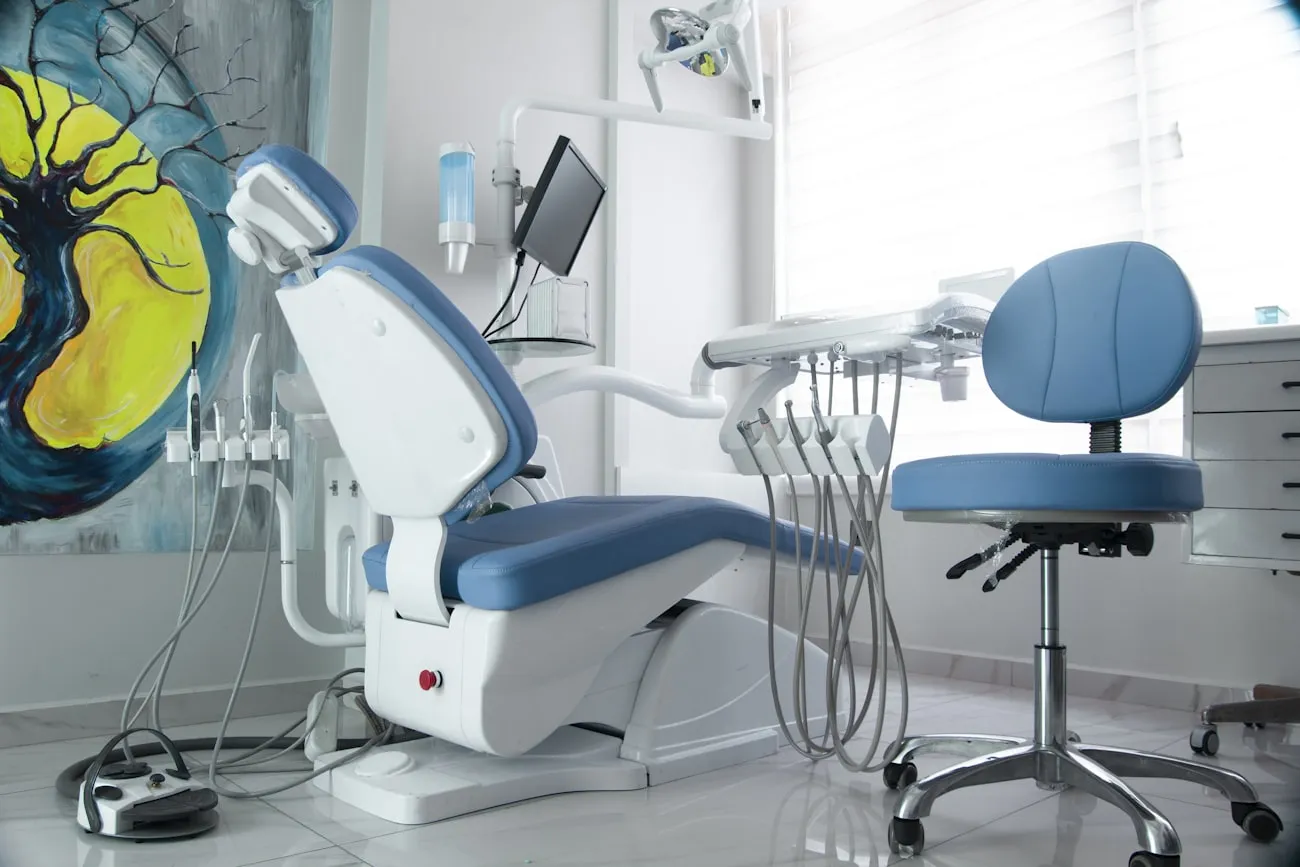
Chairs, scanners, CBCT, digital workflow — typically hire purchase, so the cost spreads over its working life and you own it at the end.
Surgery fit-outs and practice improvements funded over time, so the upgrade happens when the practice needs it — not when cash allows.
January, July and corporation tax bills spread into predictable monthly payments instead of cash-flow spikes.
Funding for further education and courses — implant, orthodontic and specialist training paid for over time.
Vehicle finance and personal loans for non-business needs, from a lender that already understands your income.
Buying or building? The full context lives in our guides: buying a practice step by step and starting a squat practice.
Start with the number nobody puts on the quote. Dental treatment is exempt from VAT, so a practice delivering NHS and private dentistry generally cannot recover the VAT it pays on equipment. That makes VAT part of the cost of the asset rather than a cash-flow timing item — and because irrecoverable VAT forms part of the capital cost, it also qualifies for capital allowances. Our VAT guide for dentists covers where the exemption starts and stops.
Two details decide whether you get that. The first is the date the asset is brought into use, not the date of the order or the invoice. A 31 March year end and an installation on 2 April moves the entire deduction into the following year. The second is whether the equipment is new. Full expensing applies only to plant and machinery that is unused and not second-hand, so a refurbished chair bought by a company falls outside it — though the Annual Investment Allowance has no such restriction and will usually pick it up instead.
Whether to borrow is a separate question from what to borrow, and it is the one worth answering first. Three tests, in this order:
Do those three this week and you will know the answer before you speak to a lender — which is exactly the position we want you in when the introduction is made.
Yes, and equipment is the most common thing dentists fund. Hire purchase is the usual route: you spread the cost over a term that suits the working life of the kit and own it outright at the end. The tax treatment is what makes the timing valuable. Under hire purchase the capital allowances are available on the whole capital cost once the asset is brought into use, not as you pay the instalments, so a £72,000 scanner installed a week before your year end produces a £72,000 deduction in that year while you have paid almost none of it. Installed a week after, the same relief slips a full twelve months. Tell us the delivery date before you sign, because that date is worth real money.
Often, yes, and there is a benchmark to judge it against. HMRC charge late payment interest at the Bank of England base rate plus four percentage points — 7.75% since 9 January 2026, on a base rate of 3.75% held at the Monetary Policy Committee meeting on 30 July 2026. That same rate applies inside a Time to Pay arrangement. So a tax loan is worth taking when it is priced below 7.75% and worth declining when it is not, and the comparison is arithmetic rather than opinion. Two caveats. Interest on a loan taken to pay personal tax is not deductible, so compare gross rates. And if the bill was a surprise, the fix is the forecasting, not an annual loan.
They give you the same total deduction over time and very different deductions this year. Hire purchase treats you as the owner: the full capital cost qualifies for capital allowances in the year the asset is brought into use, and only the interest element of each instalment is deducted as it accrues. An operating lease gives you no capital allowances at all — you deduct the rentals as you pay them, spread evenly across the term. So hire purchase front-loads the relief and leasing spreads it. Front-loading wins when you have profit to shelter now; spreading wins when profits are climbing and the deduction is worth more later. It also matters which entity is buying, because full expensing is only available to companies.
We may receive an introducer fee from Braemar Finance if you take out finance following an introduction from us, and we will tell you so at the time rather than leave you to find out. What that fee does not do is decide the advice. The affordability check runs against your actual accounts before any introduction is made, and the conclusion is sometimes that the borrowing is too big, the term is wrong, or the purchase should wait a year. We would rather talk you out of the wrong loan than earn a fee on it, because the accounting relationship is worth considerably more to us than the introduction is.
Faster than most applicants expect, and almost entirely determined by what you send with the application rather than by the lender. Braemar Finance underwrite in-house and specialise in healthcare professionals, so a dental practice is a business they already understand rather than a sector code to be interpreted. What holds applications up is missing paperwork. For equipment you generally need the supplier quote, the last two years of accounts and recent management figures; for a practice purchase, add the sales particulars, the NHS contract details and your personal budget. We assemble that pack before the application goes in, which is the part of the process we actually control.
Send us the equipment quote, the practice particulars or the tax bill — we'll tell you honestly whether finance fits, then make the introduction.
One short email a month: deadlines coming up, rule changes that affect dentists, and one number worth checking in your practice. No spam, unsubscribe any time.